Honda’s Two-Wheeler Expansion: An Opportunity MSMEs Should Price Carefully
The push towards 80 lakh units of annual capacity could widen India’s supplier opportunity. Smaller businesses will need firm orders, stronger quality systems and realistic cash-flow plans.
In 30 seconds
- Honda plans annual Indian two-wheeler capacity of around 80 lakh units by 2028 and is studying further expansion.
- New production could create opportunities in components, tooling, maintenance and logistics.
- Supplier qualification, cash flow and commercial terms will determine the value for MSMEs.
- Major equipment commitments should follow credible customer requirements.
Honda’s two-wheeler investment in India offers smaller manufacturers a credible opportunity, but calls for discipline. In an October 18, 2026 Business Standard interview, Honda Motorcycle & Scooter India (HMSI) chief Tsutsumu Otani said the company was studying expansion beyond its planned annual capacity of eight million units by 2028. A new factory or additional line remained undecided. For MSMEs, ambition becomes bankable business through specific orders.
Honda’s March 19, 2026 announcement outlined about ₹1,500 crore for a third line at Tapukara, Rajasthan, scheduled for 2028 with annual capacity of 6.7 lakh units. Its May 22, 2025 announcement committed about ₹920 crore to a fourth line at Vithalapur, Gujarat, planned for 2027 with capacity of 6.5 lakh. Alongside other improvements, HMSI targets annual capacity of around 80 lakh by 2028, up from 62.5 lakh.
Higher output could create work in tooling, precision machining, fabricated parts, moulded products, packaging, maintenance and logistics. Smaller firms may enter through established suppliers or direct contracts. These are potential opportunities: Honda’s expansion announcements do not identify new MSME purchase orders or guarantee changes to existing procurement relationships. An established supplier relationship may offer a practical starting point for a small firm seeking access to a larger manufacturing programme.
Localisation could deepen the benefits. In July 2026, HMSI unveiled a ten-product portfolio linked to stronger Indian engineering, manufacturing and sourcing. Suppliers involved in development and process improvement could gain capabilities useful across customers. The commercial test is what remains after tooling, testing, materials and financing costs. The opportunity is stronger when local businesses gain lasting skills, rather than merely absorbing more orders at thin margins.
Exports offer another opening. Honda’s May 2026 business briefing described India’s growing role in supplying Central and South America and ASEAN. Qualified suppliers may gain broader exposure and repeatable volumes, but demand, freight and market-specific requirements still matter. Rated factory capacity cannot establish an individual supplier’s order book.
Quality remains central. Honda evaluates suppliers on quality, cost, delivery, development and environmental performance, alongside safety, labour, compliance and information protection. MSMEs should review process controls, measurement equipment, batch records and defect investigations. Stronger systems can improve a business before any contract arrives; additional machinery alone cannot deliver reliable production. These preparations should complement investment in equipment, rather than follow it.
Financial terms deserve equal attention. Suppliers should clarify who funds tooling, when invoices become payable, how rejected parts are handled and whether quotations accommodate material-price changes. These are routine commercial questions, rather than allegations about Honda’s payment practices. Growth can strain cash when wages, materials and transport precede customer receipts.
Capacity should follow evidence. Equipment spending needs to reflect confirmed quantities, realistic schedules and possible launch delays. Flexible machinery and a wider customer base can reduce dependence on one programme. Smaller suppliers could share testing, training or other services rather than duplicate every capability, keeping fixed costs manageable during a gradual production ramp-up.
Technology adds complexity. HMSI’s July portfolio covers conventional engines, electric mobility and flex-fuel products, creating possible openings across supply chains. Specifications and timing will differ. Suppliers should assess how their skills transfer between products before buying dedicated assets, and understand the component requirement, qualification process and commercial terms.
Honda’s expansion is encouraging for Indian manufacturing. Its wider MSME value depends on production growth becoming viable supplier work. Clear procurement requirements, supplier development and predictable commercial arrangements would help. Smaller firms can prepare now, while tying major commitments to credible customer requirements and sustainable margins.
Sources & further reading
- Business Standard: Honda capacity expansion interview, 18 October 2026
- Honda: Tapukara production expansion announcement, 19 March 2026
- Honda: Vithalapur production expansion announcement, 22 May 2025
- HMSI: ten-product Made in India portfolio announcement
- Honda: business briefing, 14 May 2026
- Honda: supply-chain policies
Disclosure & image credits
Opinion based on the linked public sources. Prepared with AI assistance.
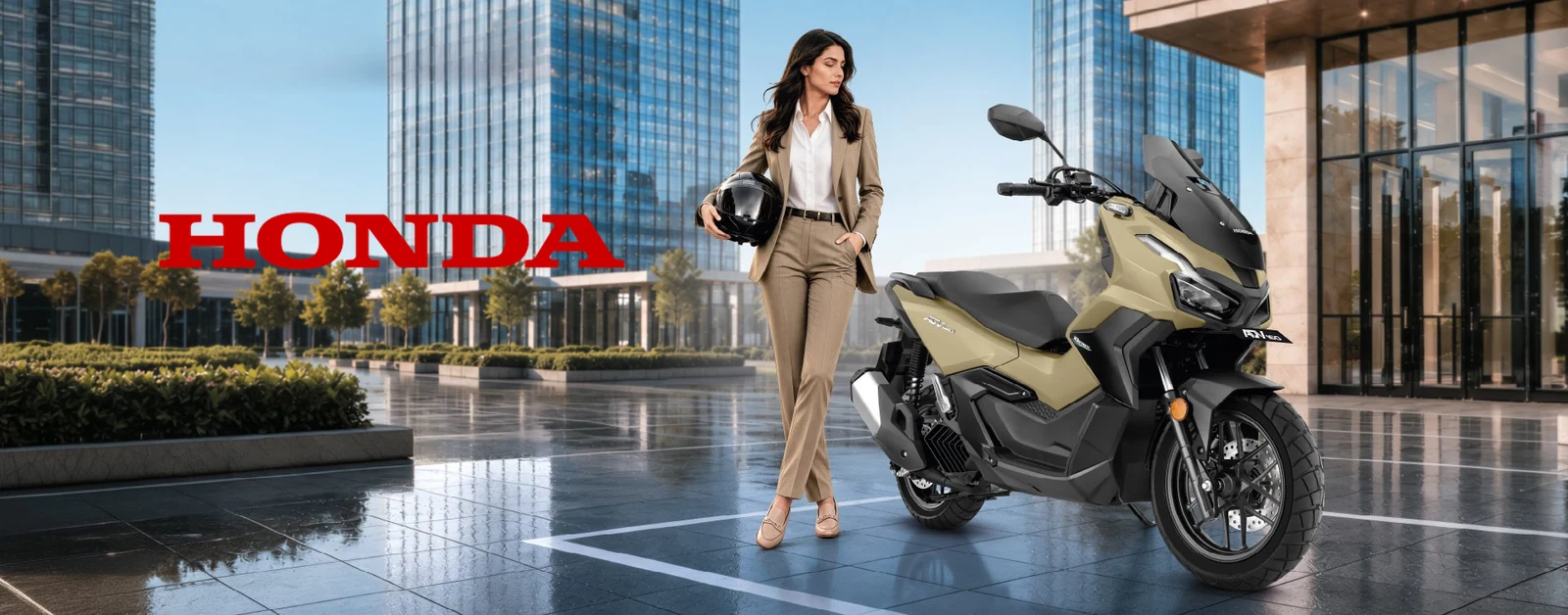
Image credit: Honda ADV160 promotional image, adapted with a Honda wordmark and a reconstructed background in the former headline area. The vehicle and model are unchanged.